
I thought it would be fun to make a few lists for 2024, and this list is going to be a bit different than the others insofar as it will be the only one that contains works not created in the year consumed. I am currently on a mission to only read what I have on my bookshelf, and so without further ado, here are the top ten books I’ve read in 2024, along with my slightly touched up (and spoiler free) Goodreads reviews:
#1.
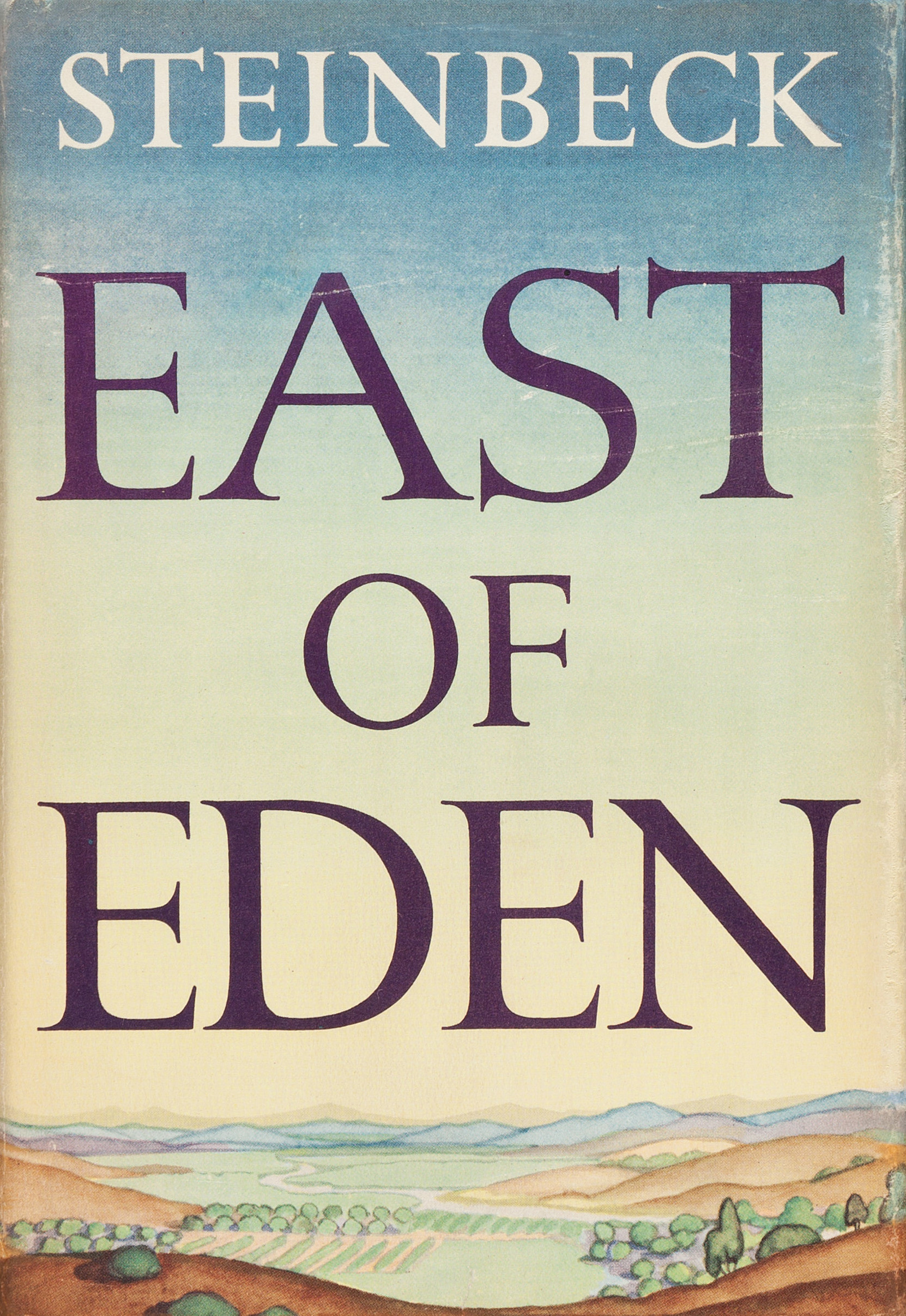
East of Eden - John Steinbeck, 1952
This is truly a masterpiece. The prose is unmatched. The character development and exposition is so intimate. The scenery and stage are set so vividly. It is rich with philosophy, and at every turn it seems there will be a quote that strikes you to your core.
Steinbeck has always been my favorite author, but I kept this one on the shelf for last because honestly I was lazy and it felt like a behemoth. But I flew through it, because I couldn't put it down.
“… and now you don't have to be perfect, you can be good.”
#2.
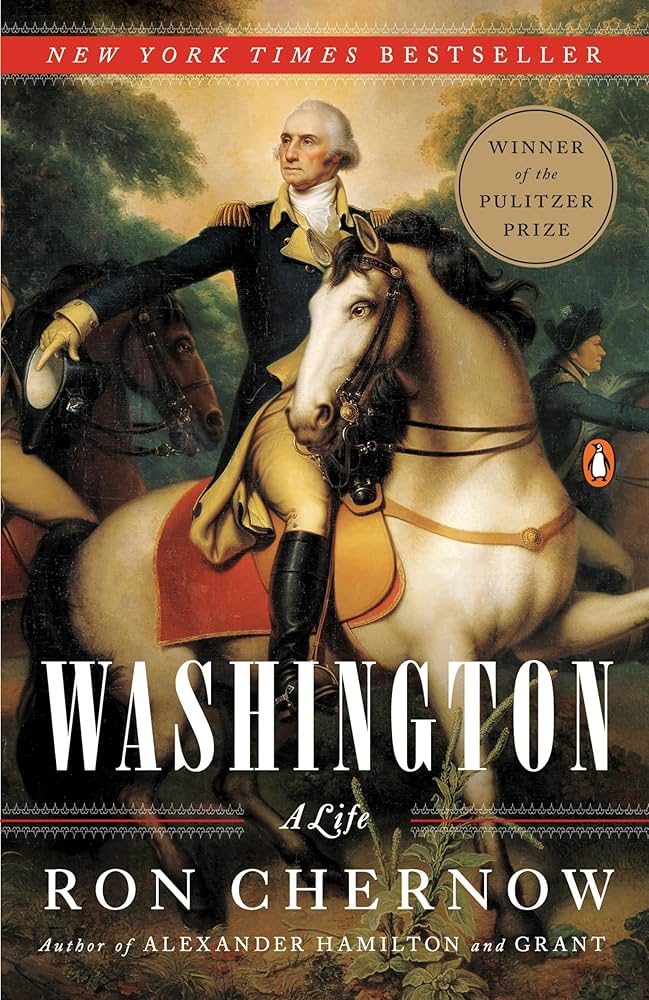
Washington: A Life - Ron Chernow, 2010
Washington is a beautiful and thought provoking biography, and Chernow is in my opinion one of the best biographers of all time. As a writer (and lover of history) myself, I am inspired by the way he can take incredibly thorough (and sometimes droll) data and translate it in such a way that is compelling and even entertaining. He might come off as a bit verbose for the average reader but he has found the perfect balance of historian and storyteller.
#3.
The Brothers Karamazov -Fyodor Dostoevsky 1880
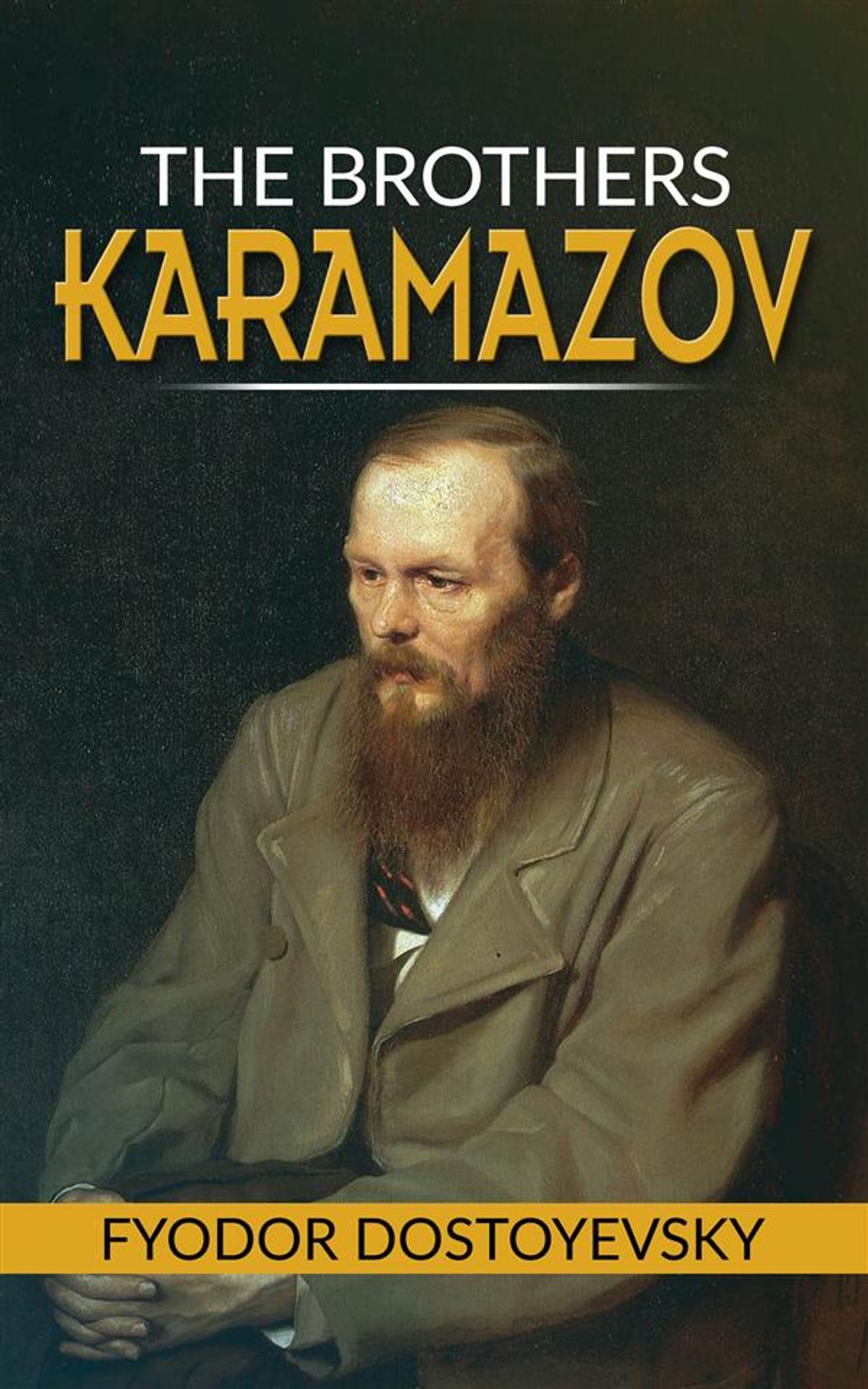
What a tale, and what an ending. As is expected from Dostoevsky, this narrative was threaded chock full of psychology, philosophy, theology, and all manner of thought provoking statements, questions, and ideas.
Though Mitya's first person was a bit too hectic and heady for my taste (reminiscent of Raskolnikov's stream of consciousness internal monologues), I do love how each of the brother's view of the world was so distinct, and each voice had a different tone and writing style. The syntax, the descriptors, the energy, he presented their different minds so well. Existential in tone, it presents many brutal remarks to and about Christianity.
There are many stories at play here, and the timelessness of the crime thriller/ drama and romance plays well, but in addition, there is the glimpse in time at Russia. This brings in layers of economics, of social and cultural norms, and once again, Dostoevsky proves just how far ahead of his time he was - or perhaps how behind the times we are.
My main takeaway from my first readthrough of TBK: Dostoevsky has never struggled in his relation of the common man. Perhaps why he and Steinbeck are my two favorite authors. They understood the human condition. To live and to suffer and to die, and what each of them really mean. While we are pondering all the questions presented, the nature of faith, the existence of a god - or the need for one nonetheless, the problem of evil. All of these get answered, but we are rather tasked with deciding. And yet, while we proliferate, there is one incredible through line reminding us of our responsibility to one another. Unlike the other subjects posited, this is not a destination of thought, but a deliberate choice and lifestyle that exists in the "living" and the "doing.". As brothers, as neighbors, as a community, we are indeed our brothers' keepers.
#4.
Hyperion (Cantos #1) - Dan Simmons, 1989
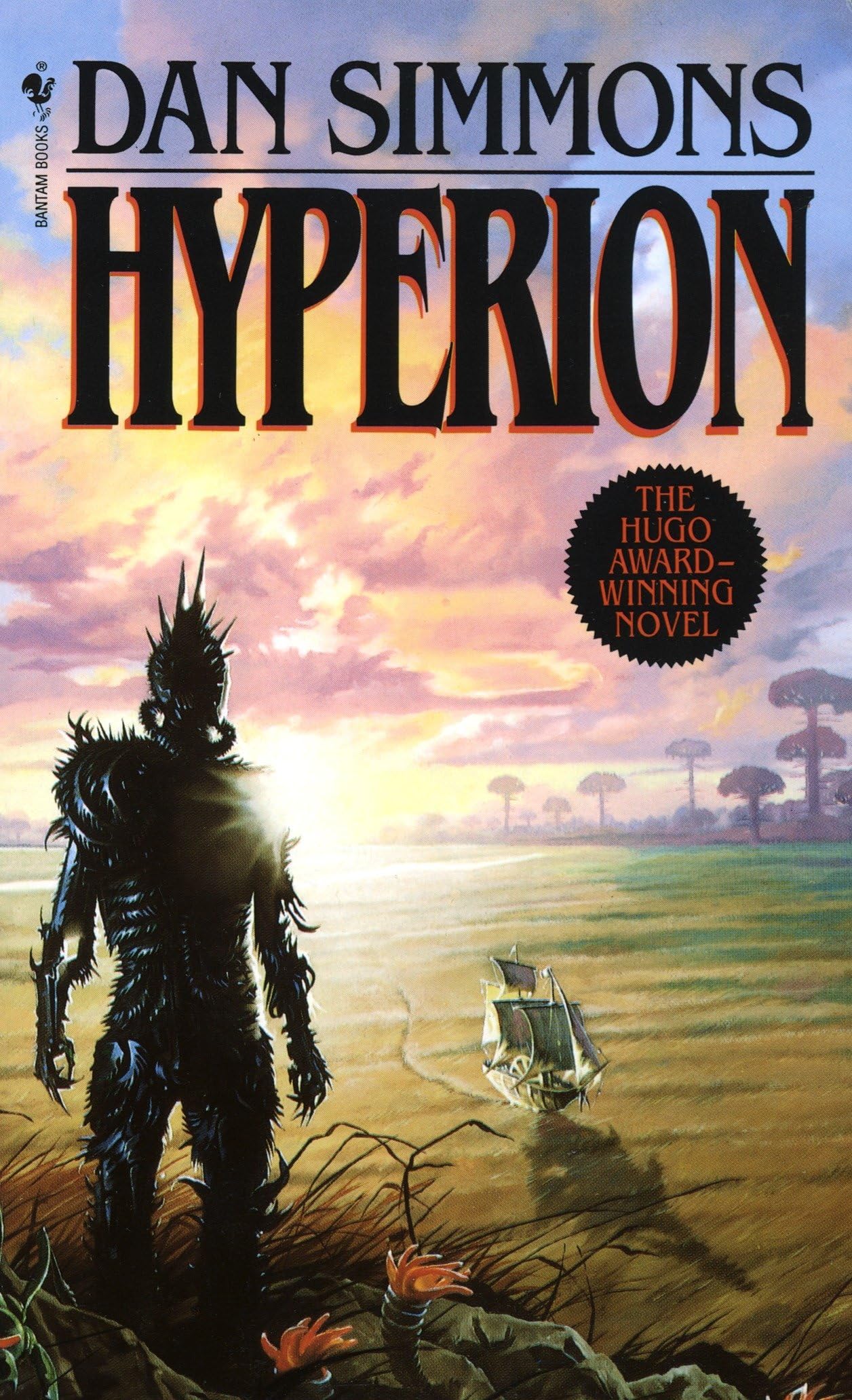
A masterclass in world building that I would very much would like to compare to Herbert's Dune in effectiveness, while stylistically the polar opposite kind of narrative structure. It reads like a prologue, each tale providing necessary exposition for a second book to bring them all together and weave these character's stories and fates into one tale. As a stand alone book, I would not have considered the ending to be good, but luckily I already had the second in hand at the ready. Which leads me to:
#5.
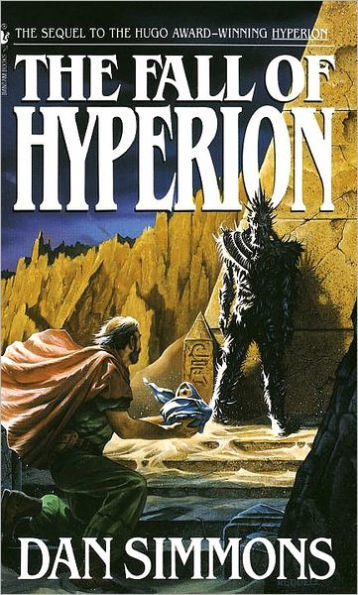
Fall of Hyperion (Cantos #2) - Dan Simmons, 1990
A fantastic addition to the cantos, though not AS good as the first. I know in the modern date, the "love is the answer" trope is a bit overplayed, but l wonder if it was at least a little fresher when Simmons wrote this in 1990. I was a bit underwhelmed at the end with how quickly everything began to snowball, it felt a bit rushed, but I think that was potentially intended. I have a lot of Grace to give this book because I so thoroughly enjoyed it and its predecessor. Not a perfect book but a fun one to be sure, and it has much to offer the reader to ponder philosophically and ethically, which I always particularly enjoy in a novel (see also: East of Eden, Brothers Karamazov, and God Emperor of Dune).
#6.
The Moon Is Down - John Steinbeck, 1942
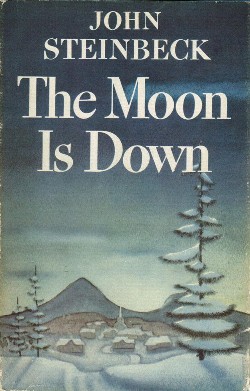
There's a reason Steinbeck always has been and always will be my favorite writer. Not only is his prose unmatched but also timelessly salient and poignant. He knows what war really looks like, and he knows what fascism really looks like - even being a world away, he was able to convey exactly what conquered towns were feeling to the tee. Above all, he captures the heart of the proletariat and the true indomitable spirit of the free man.
This novella was a prescient read for the current state of our nation, and I cannot recommend it enough.
#7.
Philosophy of Communism - John Macmurray 1933
“Communism is the necessary basis of real freedom.”
John MacMurray is easily one of my favorite philosophers, and it's a damn shame he does not get any recognition. He has challenged my view of communism (and in doing so, my political identity as well).
Incredibly accessible read (in language but also it's free on the internet archive, AND it's only 100 pages).
#8
The Sun Also Rises - Ernest Hemingway, 1926
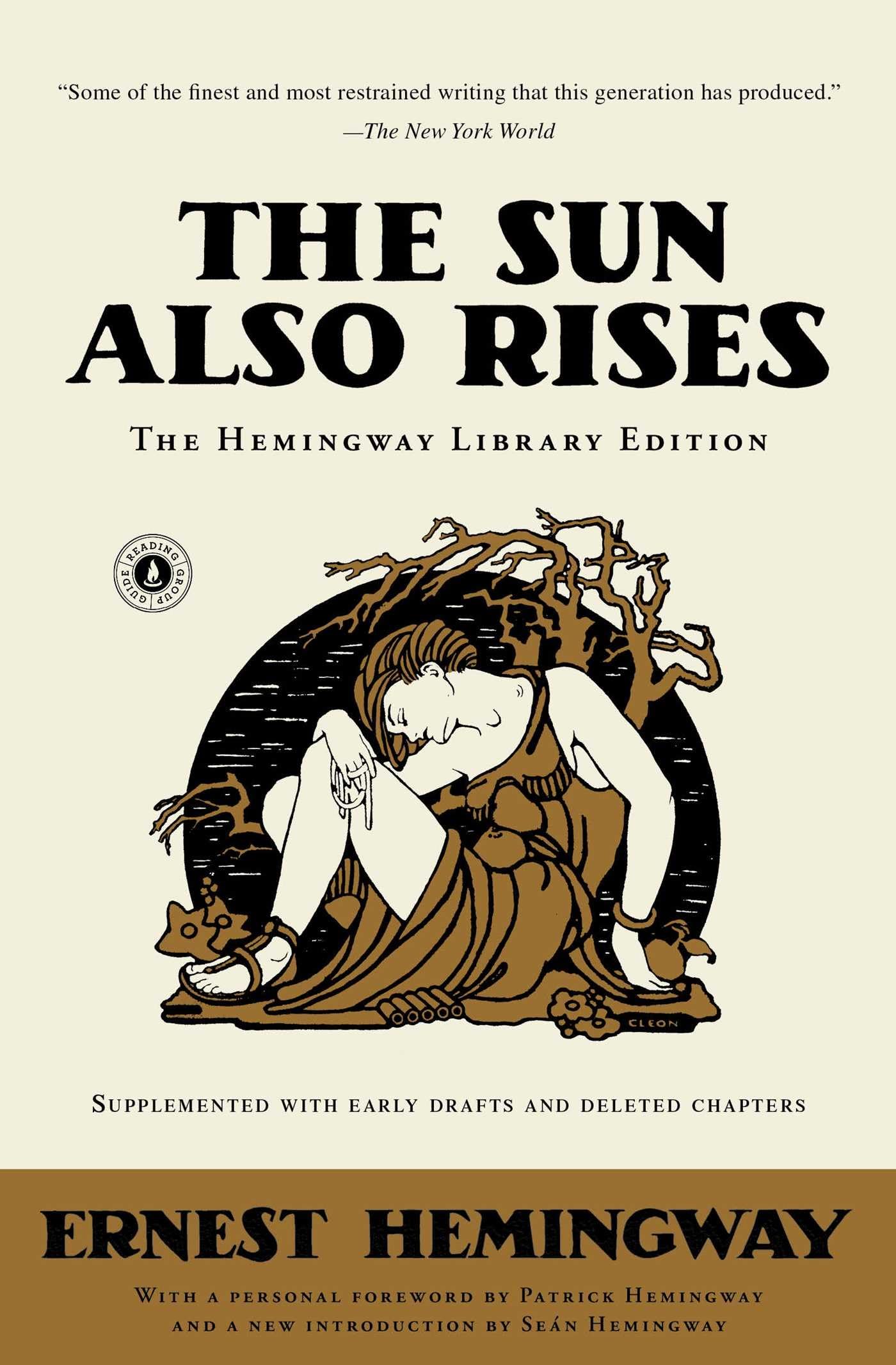
I found The Sun Also Rises a bit stocky, but by the end, I had mostly gotten past it, and it was hitting home. There is more to life than chasing momentary bliss. Each character had their vices, and each of them had become so numbed to the world around them, leading frivolous, empty lives. Their lack of depth at first annoyed me, but I came to realize it was a symbol and a critique of their own emptiness.
Maybe I'm giving Hemingway too much credit, but I think this is not only a good novel, but a word of warning - a harrowing look into lives without meaningful foundations and direction. I know this was his first novel, so I want to give him a little grace, but I have never cared for his writing style. He writes like a journalist - which he was so that makes perfect sense - but journalistic writing style does not make great prose. That aside, there's a reason he's one of the greats, and man do I envy the life he lived. All in all, this is an enjoyable read, but if you're looking to dabble with Hemingway I would suggest A Farewell to Arms before this.
#9.
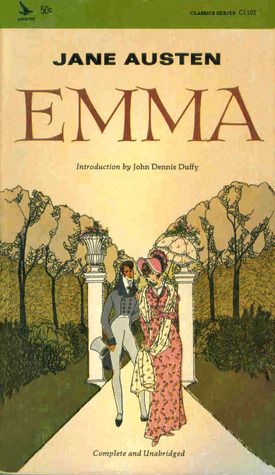
Emma - Jane Austen, 1815
Initially I wasn't going to leave a review or rating at all, because while I did not care for it, I also am glad I read it. I want to preface my thoughts with the acknowledgment that Austen's writings lambasted the patriarchy. Her stories were all rich with the themes of money and power and the role women were forced to play. She was a literary genius and a pioneer of early feminism, and she deserves the accolades. All of that said, let's talk about Emma. Austen herself even said that she wrote a heroine that no one was going to care but herself. She was intentionally hard to like as Austen intended. But the reason this book was not for me was also personal -
My disdain for wealth and aristocracy left me with a bad taste in my mouth almost instantaneously, and while that was part of the point, I never could shake it. Much like when I watched Trailer Park Boys or It's Always Sunny in Philadelphia for the first time, I found almost every single character insufferable to varying degrees, which made the slow paced, minutaie-heavy, slice-of-life novel a less than enjoyable slog for me. (I also want to say I came into this novel hot off the trail of The Brothers Karamazov, and the stark contrast from Russian lower class to English aristocracy gave me whiplash, and I want to be cognizant of that.
All this to say, my own personal dissatisfaction with this novel does not make it any less good or important. Let me reiterate that while this book was simply not for me, I would never consider it a reflection on Austen herself. Her subtly scathing critiques of aristocracy and patriarchy have deservingly placed her in the annals of history as one of the greatest writers of all time.
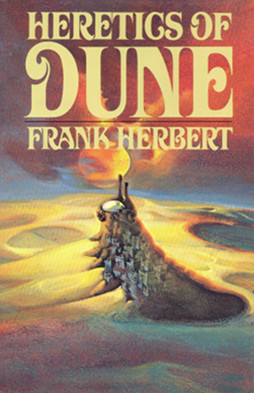
#10.
Heretics of Dune - Frank Herbert, 1984
When I was first getting into Dune, I was trying to figure out how large the series was and if I should read any of Brian Herbert’s books, and quickly found there are multiple factions of the Dune fandom. Some swore by the first 2, 3, or 4. Others swore by Franks books but SS wore up and down not to touch Brian’s. My favorite advice was some random Reddit user from ten years ago that stuck with me (and has translated itself into multiple other areas of my life as well):
Read Dune until you stop having fun.
That’s it. You’re not obligated to joylessly labor through a series that bores you, and to be honest it didn’t even bore me per se, but all the parts I adored in the first 4 were now gone, and I had lost interest. It was still an inherently interesting and well written book, but… the part of me that cared died with my god emperor, Duke Leto II, may he rest in peace.
There you have it folks, the top ten books I read this year.
Be sure to comment what you've read or your best recommendations!
-Zach